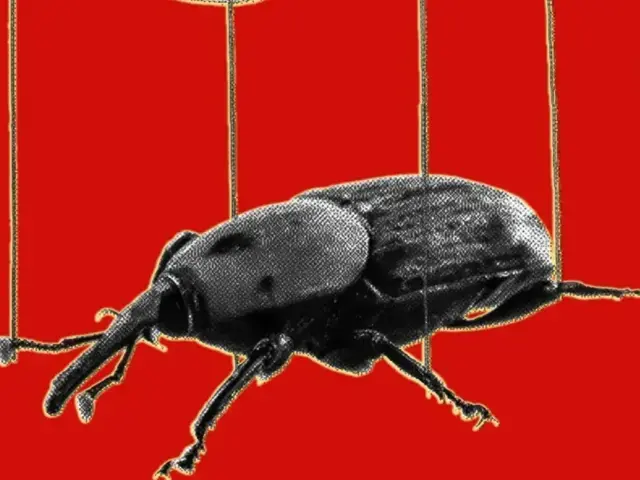





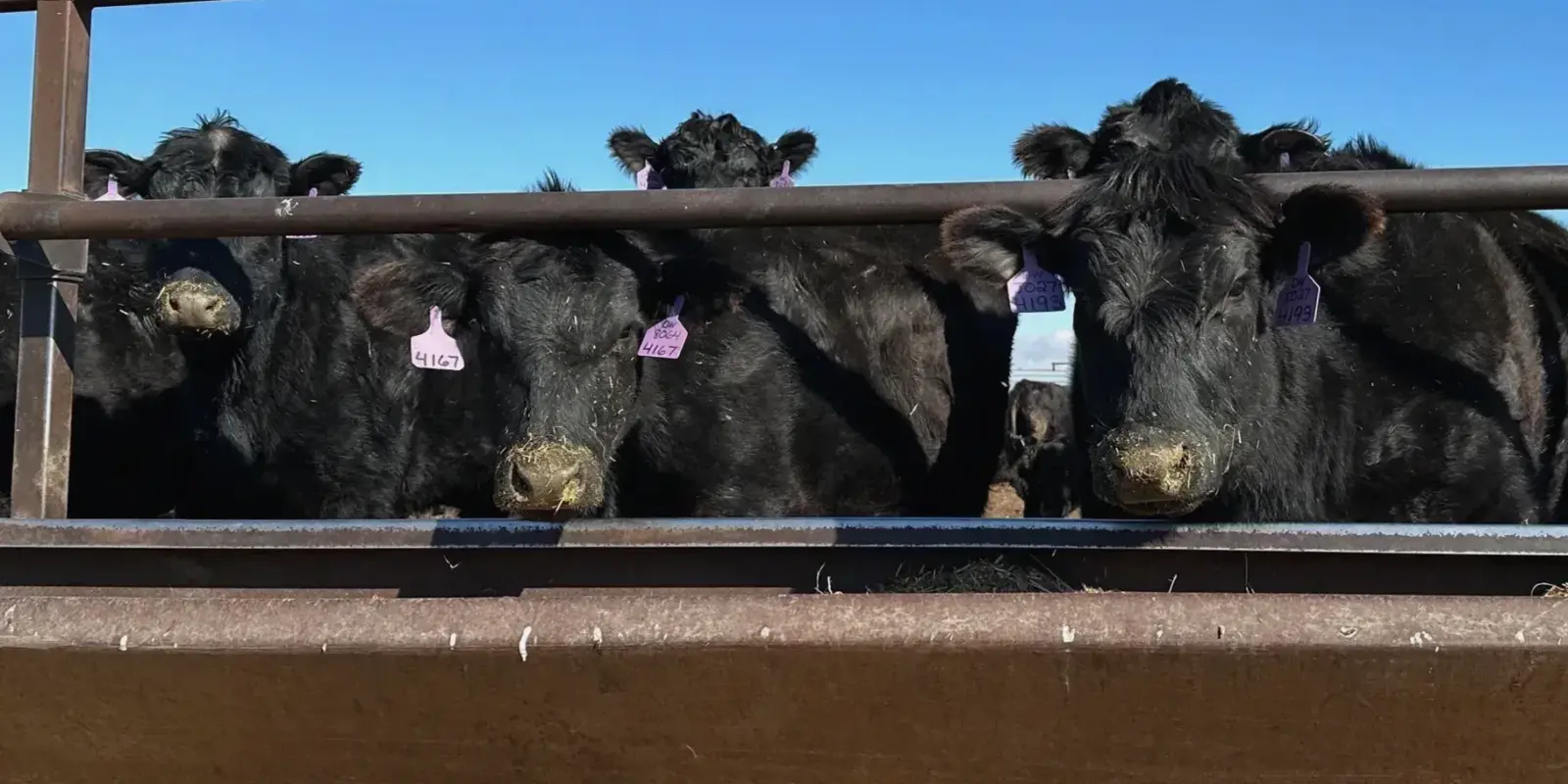
A recent decision by President Donald Trump to implement a ninety day pause on specific beef tariffs has sent shockwaves through the American heartland. While the move was designed to lower grocery bills for consumers by easing the flow of cheaper imports, primarily from Brazil, it has left many domestic producers feeling abandoned. Ranchers who were preparing to send their cattle to market saw auction prices plummet almost immediately, turning what should have been a profitable season into a period of financial instability.
The backlash has extended beyond individual farms to major industry advocates. Organizations including the National Cattlemen’s Beef Association and the Farm Bureau have voiced strong opposition, while several rural Republican lawmakers have found themselves distancing themselves from the administration’s stance. Despite this friction, it remains uncertain if these grievances will translate into a political shift during the upcoming midterms. Some ranchers admit frustration but suggest that broader support packages, such as billions in federal farm relief, may keep them loyal to the current administration.
Agricultural economists warn that this volatility does more than just hurt short term profits; it disrupts long term investment. David Anderson of Texas A&M University notes that higher prices earlier this year should have encouraged ranchers to expand their herds, which are already at their lowest levels since 1951. By making foreign imports cheaper, the government effectively muted those market signals, discouraging domestic growth at a time when stability is desperately needed.
Beyond politics and trade wars, the industry is fighting a losing battle against environmental stressors and rising overhead. Intense drought cycles driven by warming temperatures have increased feed costs, while geopolitical tensions have pushed up the price of fuel and fertilizer. This combination of erratic trade policy and harsh climate conditions creates a daunting landscape for the next generation, leaving many young heirs wondering if the grueling life of a rancher is still financially viable.