





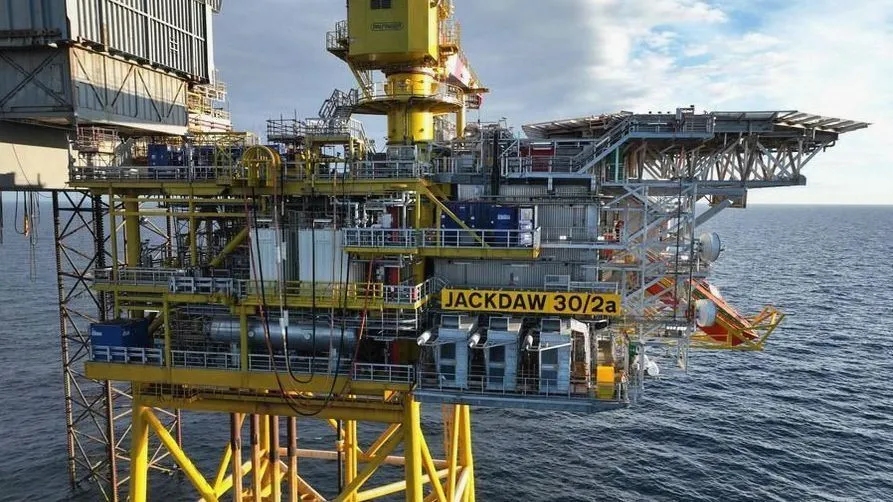
The UK government has officially greenlit drilling operations at the Jackdaw gas field in the North Sea, ending a prolonged period of legal battles and political deadlock. Located roughly 150 miles east of Aberdeen, the project was originally sanctioned by the previous Conservative administration but was stalled by a Scottish court ruling which found that carbon emissions had not been sufficiently considered. Now, Prime Minister Andy Burnham has pushed the venture forward, citing a need to bolster national energy security amidst volatile global markets driven by conflicts involving Iran.
Burnham defended the decision as a necessary balancing act, arguing that maximizing domestic reserves is essential to protecting jobs and keeping millions of homes warm during the upcoming winter months. While acknowledging the nation’s long term goal of reaching net zero by 2050, he emphasized that oil and gas will remain critical components of the energy mix for decades. This pragmatic stance follows reported pressure from US President Donald Trump to ramp up North Sea production. Energy Minister Miatta Fahnbulleh added that gas from the site could reach consumers by the end of this month, potentially boosting domestic production by six percent over an eleven year lifespan.
Industry giants like Shell and Equinor have praised the move as a victory for regulatory stability and investment predictability. However, environmental advocates have reacted with outrage, labeling the approval as climate vandalism. Groups such as Greenpeace argue that continuing to lean on fossil fuels keeps Britain tethered to unpredictable petrostates and exacerbates extreme weather patterns. Critics further pointed out that because gas prices are dictated by global markets rather than local supply, it remains unclear if Jackdaw will actually lower household utility bills.
To soften the blow of approving another fossil fuel project, the government simultaneously unveiled a two billion pound Energy Wealth Fund designed to funnel profits from oil and gas into clean energy transitions. This strategic pivot comes at a precarious time for climate goals; recent UN reports suggest global warming is trending far beyond Paris Agreement targets, while the UK continues to grapple with record breaking summer heatwaves. Despite these warnings, the current administration insists that bridging the gap between immediate survival and future sustainability requires utilizing every available resource beneath the seabed.