



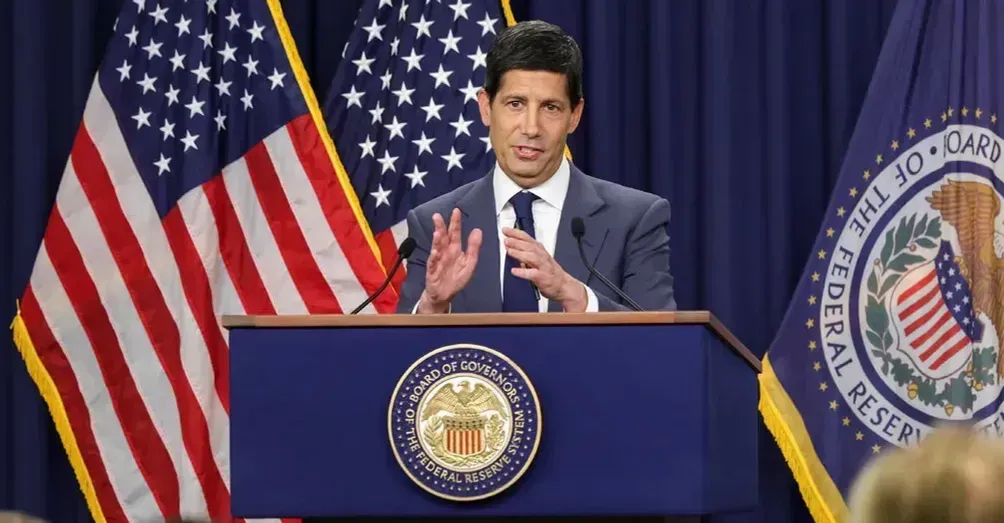
The Federal Reserve opted to keep interest rates unchanged on Wednesday, choosing a path of cautious observation despite ongoing concerns over elevated inflation. Chairman Kevin M. Warsh signaled that the central bank feels it has enough flexibility to gather more data before making another move, noting that current evidence suggests the economy is not overheating. While most members agreed with the pause, the decision was not unanimous, as two officials pushed for a quarter-point increase. Among them was Governor Lisa D. Cook, whose tenure has become a flashpoint in a broader political battle involving former President Trump.
Beyond the immediate rate decision, Chairman Warsh unveiled a significant change to how the Fed operates. Starting next year, the bank will begin reducing the frequency of its formal interest rate votes to carve out more room for long-term strategic planning. By 2027, only seven of the eight annual meetings will involve rate decisions, and by 2028, that number will drop further to six. This shift has sparked debate among economists; some fear it limits the Fed’s agility in responding to sudden economic shocks, while others believe it allows policymakers better breathing room to analyze deep structural trends rather than reacting to short-term noise.
The timing of the announcement adds a layer of tension as mid-term elections approach and political pressure mounts from Washington. Warsh insisted that politics played no part in the decision to hold rates steady, even as Donald Trump continues to criticize the Fed for not lowering rates faster and calls for Governor Cook’s removal following allegations of mortgage fraud. Despite this turbulence, Wall Street reacted positively in the short term, with the S&P 500 edging higher as investors bet that easier monetary policy is on the horizon.
However, some market analysts remain skeptical about whether the Fed is doing enough to curb inflation. Discrepancies in Treasury yields suggest that while traders expect shorter-term rates to stay low, they are worried about long-term price stability. Some critics argued that Warsh failed to provide a clear explanation during his press conference as to why rates weren’t hiked given how persistent inflation remains. For now, the central bank appears content to wait and see if tightening credit conditions for businesses and households will naturally steer the economy back toward its two percent inflation target.