
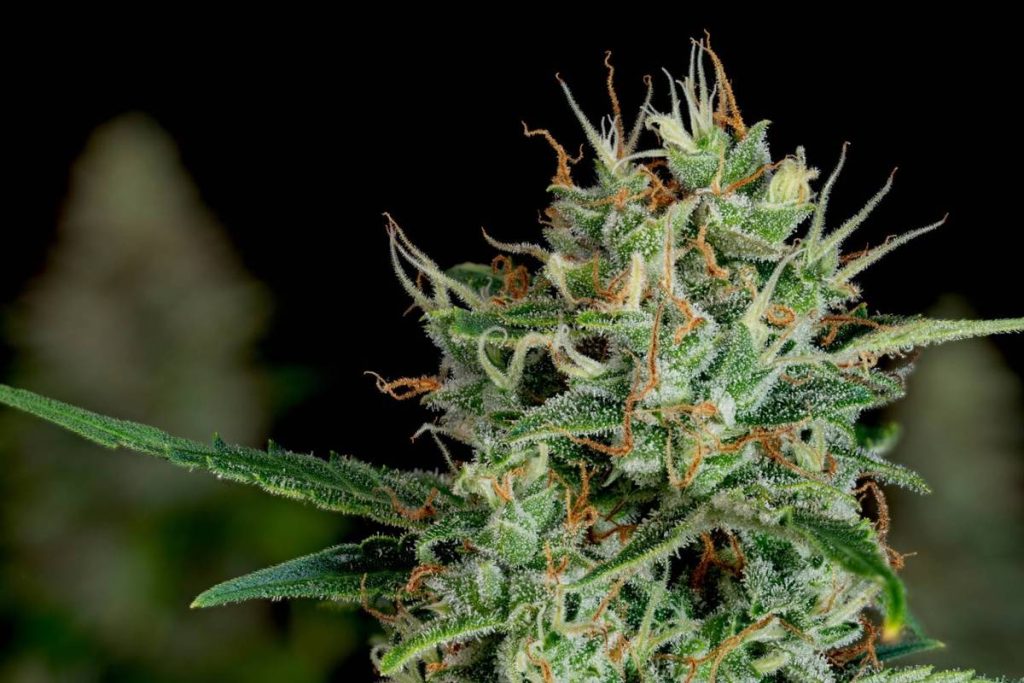
The global cannabis market experienced a turbulent first half of 2026, with mixed signals across different regions and segments that left investors and industry insiders recalibrating their expectations for the remainder of the year. North America continued to dominate the landscape, but growth rates slowed compared to previous years as price compression in mature markets like Canada and several western U.S. states squeezed margins for producers and retailers alike. Meanwhile, European markets showed promising momentum, particularly Germany, where recreational legalization efforts continued to expand access and drive new consumer demand. Industry analysts note that while overall revenue figures climbed modestly year over year, the story beneath those numbers is far more complex than headline statistics suggest.
One of the defining trends of early 2026 was the continued consolidation of the industry, with larger operators acquiring struggling smaller players at discounted valuations. Several high-profile bankruptcies in the Canadian market underscored ongoing challenges around oversupply and regulatory costs, while American multistate operators leveraged their scale to capture additional market share despite ongoing federal restrictions. On the product side, beverages and edibles gained significant traction among consumers seeking alternatives to traditional inhalation methods, with beverage sales posting some of the strongest category growth numbers across North American markets where data is available.
Looking ahead to the second half of 2026, analysts are watching several key developments that could reshape the competitive picture. Rescheduling discussions in the United States continue to generate cautious optimism, though most industry observers have tempered their timelines after repeated delays. International markets remain a bright spot, with countries across Latin America and Southeast Asia advancing medical cannabis frameworks that could open meaningful new revenue streams for companies positioned to enter early. Thailand’s evolving approach to recreational regulation also remains closely watched after policy reversals created uncertainty throughout late 2025 and early 2026.
For investors and operators navigating this environment, patience appears to be the prevailing strategy. Capital remains available but far more selective than during earlier boom cycles, flowing toward companies demonstrating sustainable unit economics rather than pure growth narratives. Analysts broadly expect full-year global cannabis revenues to land somewhere between moderate single-digit and low double-digit percentage growth compared to 2025, depending heavily on how regulatory developments unfold across key jurisdictions. The days of exuberant projections may be behind the sector, but many see maturity setting in — bringing its own set of challenges alongside more realistic expectations about what this industry can deliver in the years ahead.