



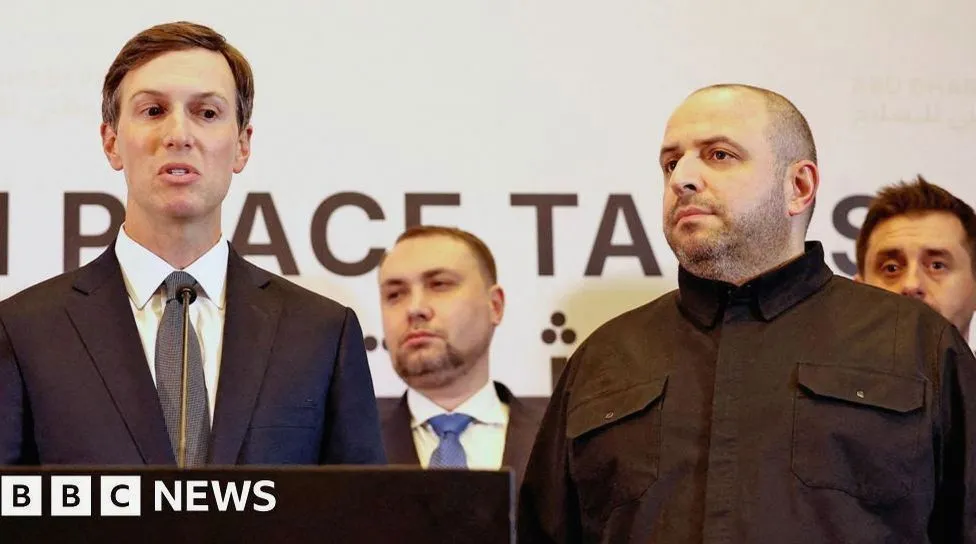
High stakes trilateral talks in Abu Dhabi between representatives from Russia, Ukraine, and the United States ended this week without a definitive breakthrough to stop the nearly five year old conflict. While American officials suggested there were some small openings for progress, the atmosphere remained tense. Ukrainian negotiator Davyd Arakhamia described the sessions as some of the hardest yet, noting that Russian delegates seemed bound by rigid directives that left little room for compromise. Despite the lack of a peace deal, both sides did confirm that a significant prisoner of war exchange is currently being organized and could take place shortly.
The discussions focused heavily on the future security architecture of Europe, though the two warring nations remain miles apart on what that looks like. Kyiv is seeking ironclad guarantees that allies will intervene if it is attacked again, whereas Moscow is pushing for a systemic limit on NATO’s influence in Eastern Europe. In a provocative comparison, Kremlin negotiator Vladimir Medinsky likened the desired outcome to a new Yalta or Potsdam conference, suggesting a global redistribution of spheres of influence. This vision has deeply unsettled European allies who fear being sidelined in decisions regarding their own continent’s stability.
Adding to the complexity is a fundamental disagreement over timing; Ukraine and its European partners insist on a ceasefire before discussing long term frameworks, while Russia maintains that fighting will only cease once an agreement is signed. Territorial disputes continue to be the primary stumbling block, specifically regarding the Donetsk region. While Ukraine seeks to maintain control over key areas for its own defense, Moscow remains adamant that every inch of contested land must eventually return to Russian control.
In an effort to keep diplomacy alive, U.S. envoys Steve Witkoff and Jared Kushner are scheduled to travel to Moscow and Dublin this Thursday to meet with Presidents Vladimir Putin and Volodymyr Zelensky respectively. Kushner acknowledged that total trust between the parties is non existent given the scale of the violence, describing the negotiations as emotionally charged and incredibly complex. As these shuttle diplomacy efforts begin, many in Eastern Europe worry that any deal struck without full NATO consensus may fail to provide actual lasting security.