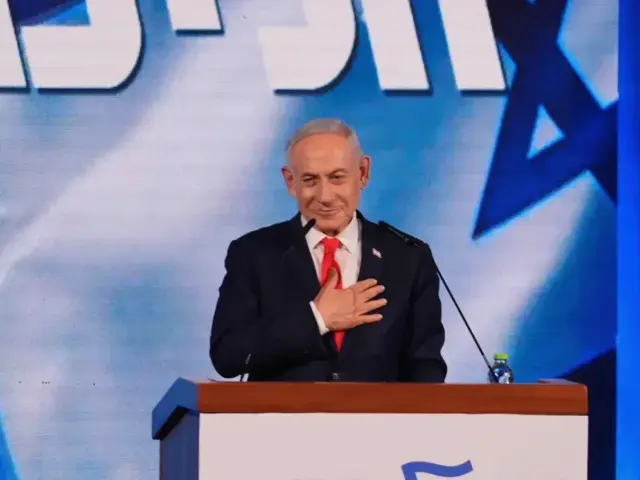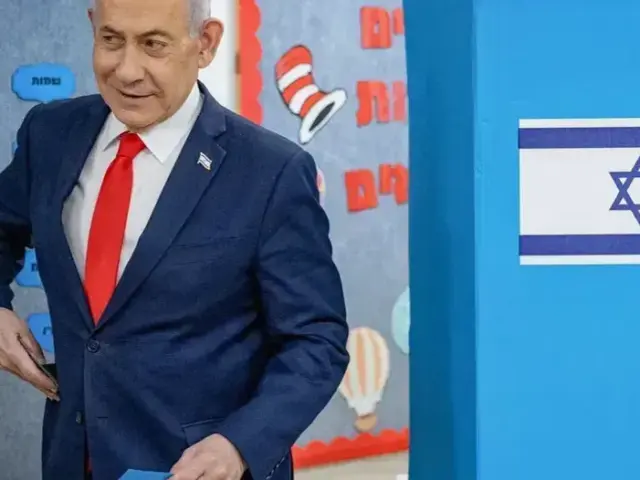





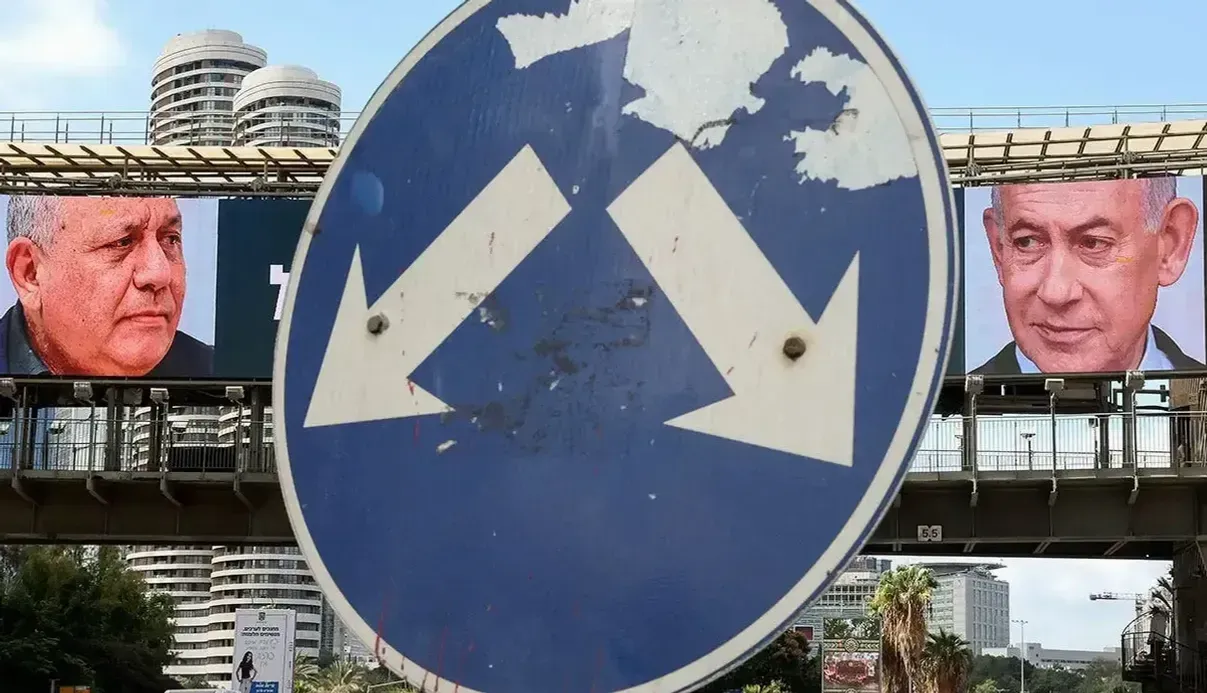
Prime Minister Benjamin Netanyahu finds himself in a precarious position as latest ballot counts show his right wing and religious bloc falling well short of the majority needed to govern. With nearly ninety four percent of votes tallied, Netanyahu’s alliance is projected to hold fifty three seats in the hundred twenty member Knesset. This leaves him far below the sixty one seat threshold required to form a government without significant help from other factions, mirroring the struggles faced by his primary opponent, former military chief Gadi Eisenkot.
The most striking development of this election cycle is the dramatic rise in Arab voter participation, which jumped from roughly fifty three percent in 2022 to eighty percent this year. This surge provided a massive boost to Arab parties, which together are expected to secure nineteen seats. While many opposition leaders previously suggested they would not include these parties in a formal coalition, those nineteen seats create a mathematical path toward an anti Netanyahu majority that could fundamentally reshape the legislative landscape and strip the Prime Minister’s allies of key parliamentary controls.
Adding fuel to the political fire are serious allegations regarding foreign interference. Reports surfaced suggesting that funds from Qatar may have been used to mobilize voters within Arab communities through suspicious financial channels. These claims prompted an urgent investigation ordered by Justice Noam Sohlberg, chairman of the Central Elections Committee, after receiving intelligence from the Shin Bet security agency. The situation has created a volatile atmosphere as officials scramble to determine if the democratic process was compromised.
Qatar has vehemently denied these accusations, calling them part of a disinformation campaign designed to make the Gulf nation a scapegoat for domestic political failings. A spokesman for the Qatari Foreign Ministry noted that various Israeli politicians have historically blamed Qatar for funding opposite ends of the political spectrum whenever it suits their narrative. Meanwhile, election officials maintain that polling station integrity remained intact throughout the voting process, though investigations continue as Israel weighs whether it can form a stable government or face yet another round of elections.