



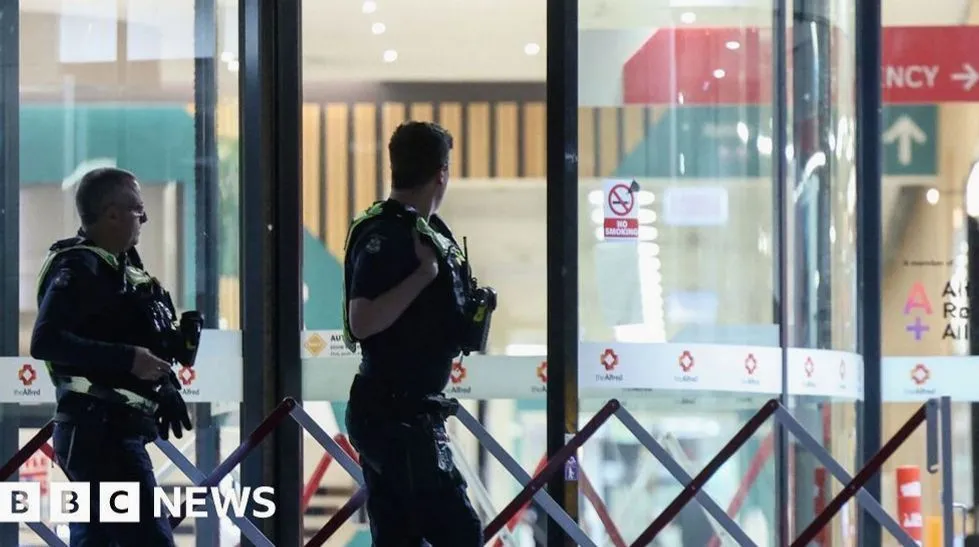
The shocking attack on Independent MP Helen Haines outside her regional Victorian office has shattered the long held belief that Australia remains immune to the political violence plaguing much of the democratic world. While the country often prides itself on a civil public discourse and a history devoid of high profile assassinations, Prime Minister Anthony Albanese suggested the incident was far from accidental. With police guarding the hospital where Haines is being treated and federal counter terrorism squads assisting in the investigation, the event serves as a grim realization of warnings that have been mounting for years.
For those inside the halls of power, this escalation comes as no surprise. Government statistics recently revealed over a thousand reports of harassing and threatening behavior toward high office holders in a single year. From female MPs receiving threats of sexual violence to prime ministerial residences facing bomb scares, the atmosphere has grown increasingly volatile. Experts suggest that a toxic cocktail of socioeconomic strain, deteriorating mental health, and a carcinogenic online environment has eroded social cohesion, turning personal grievances into catalysts for radicalization.
Professor Josh Roose of Deakin University argues that while external pressures are significant, the political class has also played a role by crossing once sacred boundaries regarding how opponents are targeted. This shift is evident across the ideological spectrum, creating an environment where harassment is becoming normalized. Mike Burgess, head of Australia’s intelligence agency, had previously compared this rise in volatility to climate change, noting that while specific attacks cannot always be predicted, the overall likelihood of political violence has increased dramatically.
Beyond the immediate security concerns for lawmakers and journalists, there is a deeper fear that this trend will permanently alter Australian democracy. For decades, it has been common for citizens to encounter their representatives casually at supermarkets or sporting events without formality or fear. Prime Minister Albanese expressed profound concern that such accessibility might disappear if politicians are forced behind walls of security. The tragedy lies in the possibility that a cornerstone of Australian civic life—the ability for leaders to simply walk among their constituents—may now be under existential threat.