




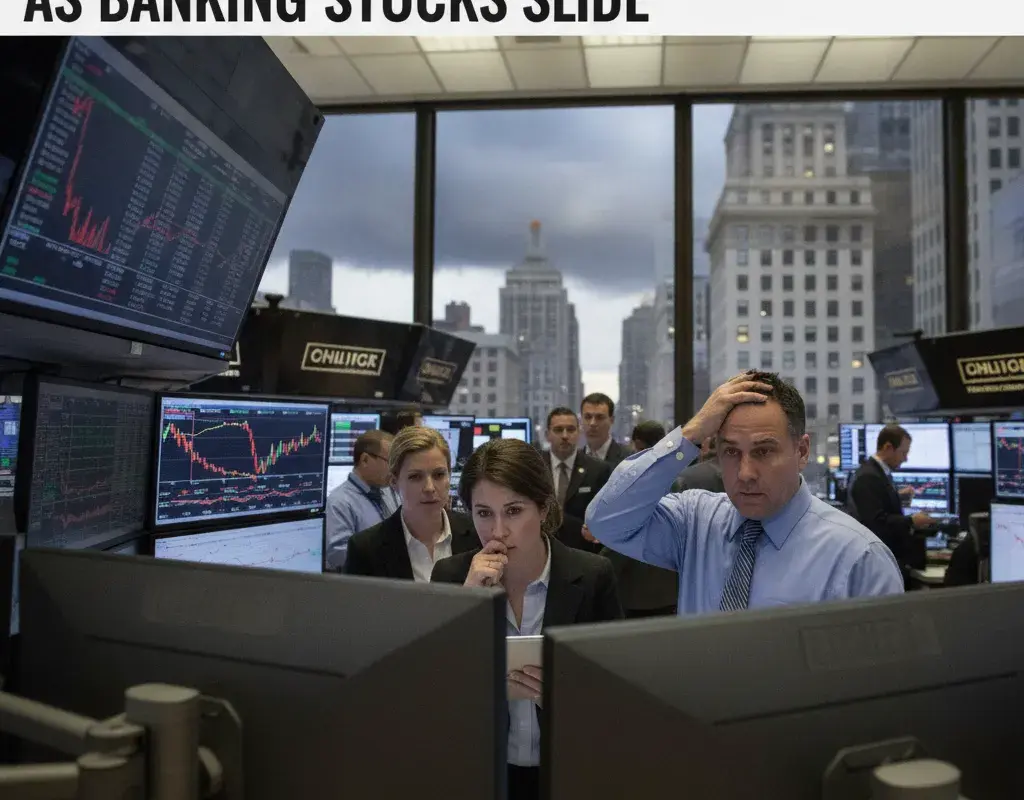
Wall Street witnessed a puzzling trend this week as the nation’s largest banks saw their share prices tumble despite several reporting surprisingly strong third-quarter results. While individual balance sheets showed resilience, the overarching sentiment remained bleak, leaving investors focused on potential pitfalls rather than current profits. Jim Cramer, host of CNBC’s Mad Money, noted that it is strange to see such universal negativity across a set of quarters containing so many positives, suggesting that the market is currently operating on anxiety rather than data.
According to Cramer, the selloff stems from a deep seated concern regarding the economic horizon. He argues thatpersistent inflation and rising interest rates have created an atmosphere of uncertainty that outweighs positive earnings beats. This cautious mood was evident even for heavy hitters like Goldman Sachs and Morgan Stanley, both of which exceeded expectations yet still watched their stocks slip. In the case of Goldman Sachs, where equity trading surged and investment banking fees climbed, Cramer believes the subsequent price drop reveals a wave of skepticism among traders who fear the era of booming returns has come to an end.
Other institutions faced more specific headwinds alongside general market volatility. Bank of America struggled significantly, missing targets and absorbing a massive regulatory penalty related to anti money laundering laws. Meanwhile, Citigroup posted its strongest third quarter in a decade, only to be met with a sharp decline in share price. Cramer suspects that Citigroup may have been punished simply for having outperformed its peers recently, though he views these dips as strategic buying opportunities for those who believe in long term turnarounds.
Despite the gloom, some silver linings emerged during the earnings cycle. Wells Fargo managed to stabilize its net interest margins for the first time in months, leading Cramer’s Charitable Trust to upgrade the stock to a buy equivalent rating based on CEO Charlie Scharf’s confidence in high rate environments. Similarly, JPMorgan Chase weathered its misses with relative ease as investors reacted positively to promising forward looking guidance for 2027. Ultimately, however, these isolated wins were not enough to lift the entire sector against a backdrop of wobbly capital markets and macroeconomic dread.